Sam Koch · 2 September 2026
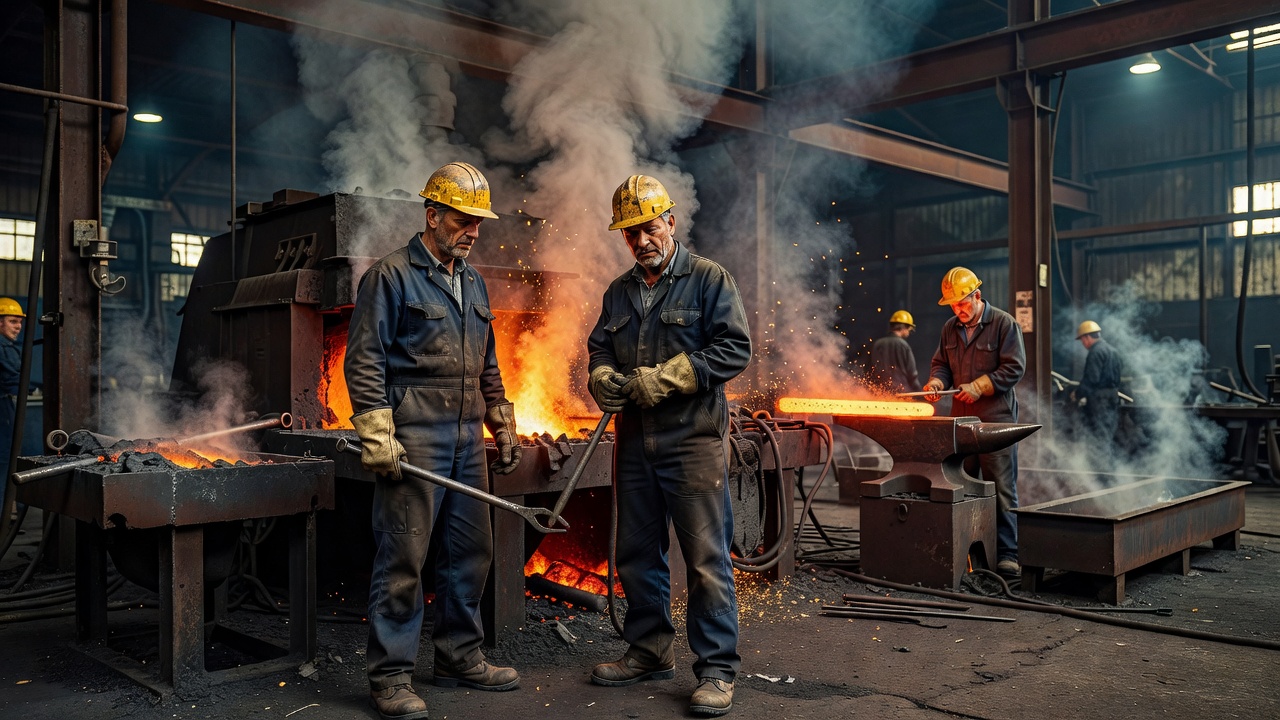
US forge operators are preparing for updated Environmental Protection Agency emissions standards that target particulate matter and greenhouse gases from industrial heating and pressing processes. The rules, effective in phases starting 2025, require facilities to reduce emissions by up to 30 percent compared to 2020 baselines. Industry groups note that forging relies on high-temperature furnaces, making compliance technically demanding yet necessary for continued operations.
Operational Adjustments Required
Many plants must install advanced filtration systems and switch to lower-emission fuels such as natural gas blends or electric induction heating. Smaller operators face higher per-unit costs, prompting some to consolidate or seek federal grants for retrofits. Data from the American Forging Association shows that 65 percent of surveyed members plan capital investments exceeding $2 million per site. Monitoring equipment will track real-time emissions, with quarterly reporting to EPA regional offices. Noncompliance risks fines up to $50,000 per day and potential production halts.
Industry Compliance Outlook
Trade analysts project that larger integrated mills will adapt faster through economies of scale, while independent shops may partner with engineering firms for custom solutions. The EPA has scheduled regional workshops to explain permitting changes and available tax credits under the Inflation Reduction Act. Early adopters testing low-NOx burners report 22 percent emission cuts without output loss. Long-term forecasts indicate the standards could accelerate automation and workforce retraining in metallurgy and environmental engineering. Overall, the sector views the regulations as a driver for modernization rather than contraction, provided implementation timelines allow adequate preparation.