Sam Koch · 2 September 2026
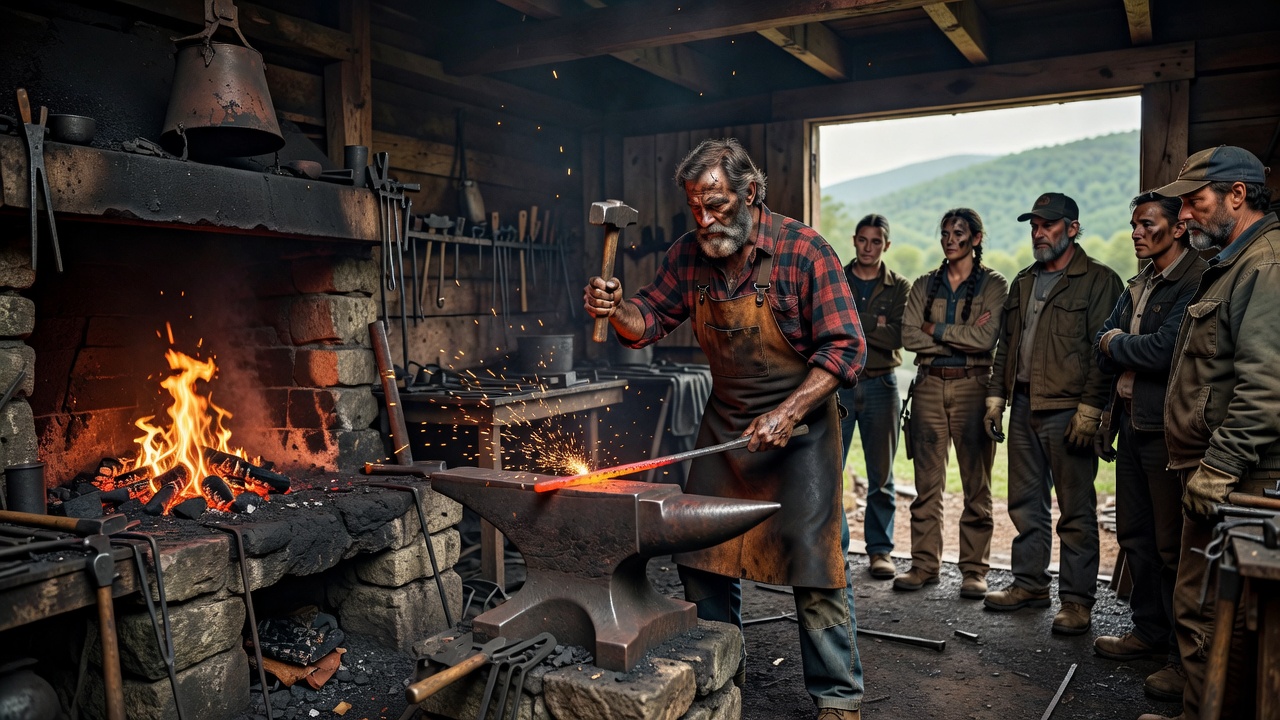
In recent years the Appalachian region has experienced a significant revival of traditional blacksmithing. This ancient craft once central to daily life in rural communities is being rediscovered by a diverse group of individuals passionate about preserving cultural heritage and developing practical skills. Local artisans are drawing on techniques passed down for generations while adapting them to contemporary needs and markets.
Historical Significance of Forging in Appalachia
Blacksmiths in Appalachia have a long and storied history. Settlers in the 1700s established forges to produce essential tools for farming and homesteading. The craft evolved with the availability of local resources including iron ore from the mountains. Techniques were passed down through generations incorporating both European methods and adaptations suited to the American frontier. The industrial revolution brought mass-produced goods that diminished the need for local blacksmiths yet the late 20th century saw a counter-movement toward handmade and sustainable practices.
Today this revival is supported by historical societies and craft guilds dedicated to education and demonstration. Many forges operate using traditional coal or charcoal fires with hand tools such as hammers anvils and tongs. The emphasis remains on creating durable functional items rather than relying on modern machinery.
Current Revival Efforts and Community Impact
Workshops across West Virginia Virginia and North Carolina offer hands-on training in coal forging and metal shaping. Participants learn to craft everything from horseshoes to intricate ironwork. These programs not only teach technical skills but also promote self-reliance and artistic expression. Local economies benefit as blacksmiths sell their wares at markets and online. The craft has also become a draw for tourism with visitors attending festivals that showcase live forging demonstrations.
Environmental awareness is growing with many artisans adopting cleaner burning fuels and recycling scrap metal to reduce their footprint. Experts note that this resurgence reflects broader trends in valuing traditional knowledge amid modern technological advances. Challenges remain including the high cost of equipment and the physical demands of the work. Yet dedicated individuals continue to innovate while honoring time-tested methods ensuring the legacy of Appalachian blacksmithing endures for future generations. Community networks have formed to share resources and knowledge further strengthening the movement across the region.